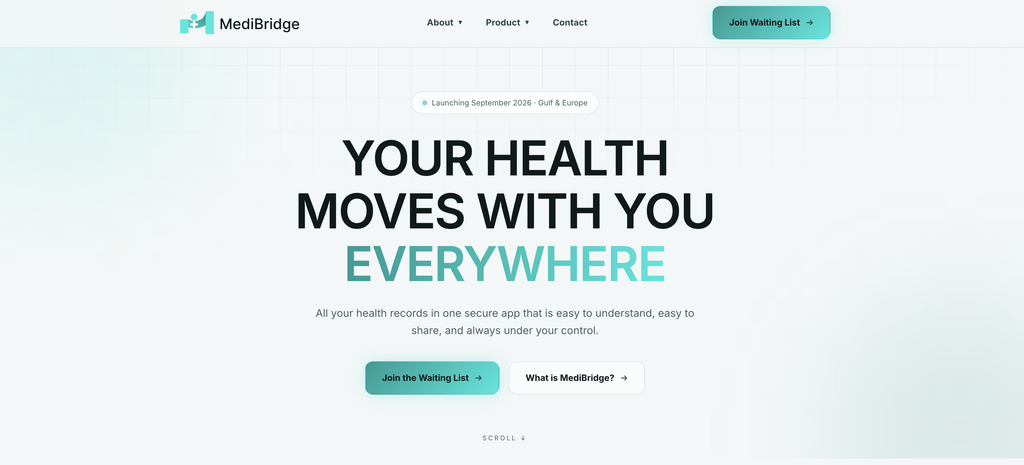
Healthcare is changing quickly, and technology is playing a major role in that change. A digital healthcare platform helps connect patients, healthcare providers, and health data in one place. By making care more accessible, organized, and personalized, these platforms can support better outcomes while making healthcare easier to manage.
What Is a Digital Health Platform?
A digital health platform is a technology-based system that brings different healthcare services and information together. Depending on its design, it may support virtual consultations, patient records, remote monitoring, appointment management, health tracking, and communication between patients and care teams.
The main goal is simple: help people receive the right care at the right time. Instead of relying only on occasional clinic visits, patients and providers can use digital tools to stay connected throughout the care journey.
How Does a Digital Health Platform Improve Patient Outcomes?
Better health outcomes often depend on timely information, consistent care, and active patient participation. Digital platforms can support all three.
1. Improves Access to Healthcare
One of the biggest advantages of digital healthcare technology is easier access. Patients can use online consultations, digital communication tools, and remote services without always needing to travel to a clinic.
This can be especially useful for people who live far from healthcare facilities or have difficulty attending frequent appointments. Easier access may encourage patients to seek help earlier rather than delaying care.
2. Supports Better Communication
Clear communication is an important part of effective healthcare. A digital health platform can give patients and providers convenient ways to share updates, reminders, questions, and care information.
For example, automated appointment reminders can reduce missed visits, while secure messaging can help patients communicate concerns between appointments. Better communication can lead to greater continuity of care.
3. Makes Health Data More Useful
Healthcare generates a large amount of information. When data is spread across different systems, it can be difficult for providers to see the complete picture.
A well-designed digital health platform can bring relevant information together and make it easier to review. Providers may gain better insight into a patient’s history, treatment progress, medications, and health trends.
Having organized information can support more informed decisions and reduce unnecessary delays.
How Does Technology Support Personalized Care?
Not every patient has the same needs. Digital platforms can help healthcare teams provide care that is better suited to individual circumstances.
Tracking Health Progress
Many platforms allow patients to record health information such as symptoms, activity, vital signs, or other relevant measurements. Over time, this information can reveal useful patterns.
For patients managing long-term conditions, regular tracking can help care teams identify changes that may need attention.
Encouraging Patient Engagement
Better outcomes are not only the responsibility of healthcare providers. Patients also need to understand and participate in their care.
A digital health platform can provide educational resources, treatment reminders, progress updates, and easy access to personal health information. These features can encourage patients to take a more active role in managing their health.
Can Digital Health Platforms Help With Preventive Care?
Yes. Digital tools can support prevention by helping people monitor their health and stay on top of important care activities.
Notifications can remind users about appointments, screenings, medications, or recommended follow-ups. Health tracking can also help people recognize changes earlier.
For healthcare organizations, this creates opportunities to move from a reactive approach toward more proactive care. Instead of waiting until a problem becomes serious, providers can use available information to identify areas that may require attention.
What Should Healthcare Organizations Consider?
Implementing technology alone does not guarantee better outcomes. The platform must be easy to use, secure, reliable, and designed around real healthcare needs.
Organizations should consider:
- Ease of use: Patients and staff should be able to navigate the platform without unnecessary complexity.
- Data security: Sensitive health information must be protected with strong security practices.
- Integration: The platform should work effectively with existing healthcare systems where appropriate.
- Accessibility: Digital services should be usable by people with different abilities and levels of technical experience.
- Scalability: The solution should be able to support changing patient and organizational needs.
Conclusion
A digital health platform can do more than simply move healthcare services online. When implemented thoughtfully, it can improve access, strengthen communication, organize health information, support personalized care, and encourage patients to become more involved in their health.
The most effective platforms combine useful technology with a patient-centered approach. As healthcare continues to become more connected, digital tools will remain an important part of creating convenient, informed, and continuous care experiences that can contribute to better outcomes.